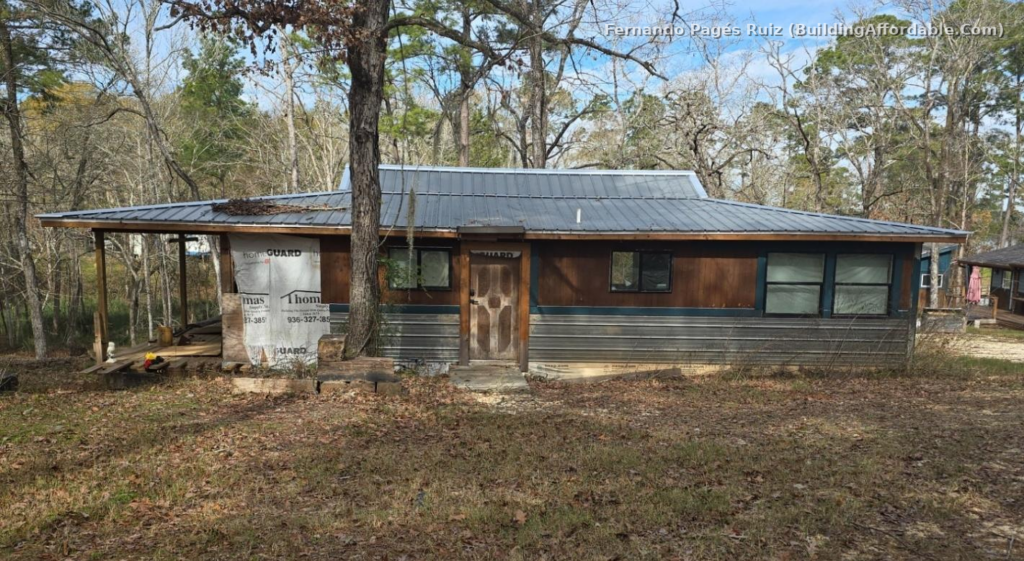
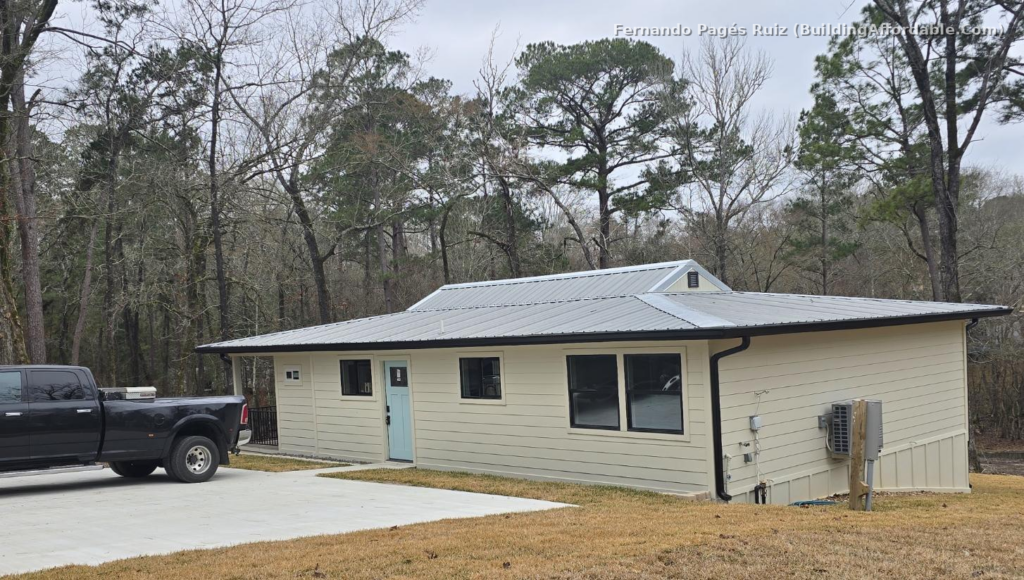
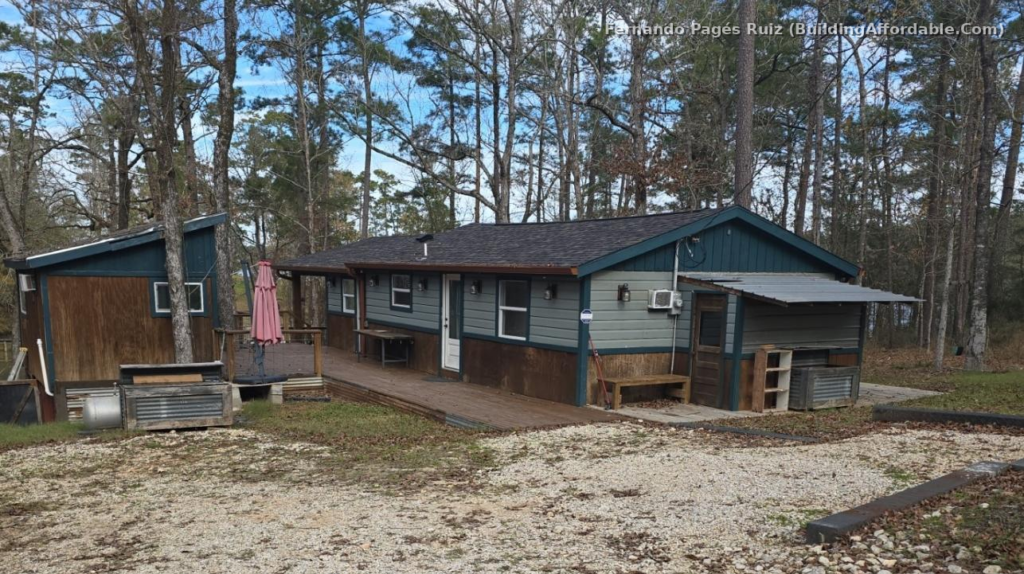
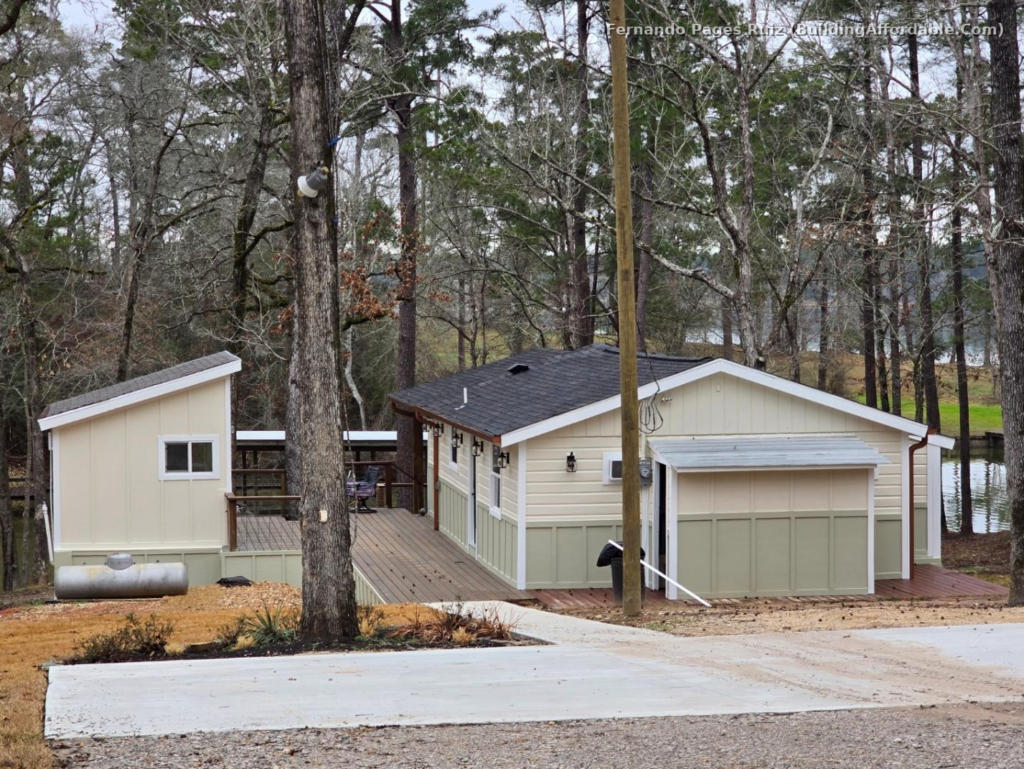
When evaluating older residential buildings, demolition is often treated as the default move. But that approach isn’t always the most practical or cost-efficient. In many cases, expanding what already exists leads to stronger financial outcomes and a more thoughtful use of resources.
If a home has a solid foundation and a reliable framing system, it still holds real value. Instead of tearing it down, you can build on top of that structure. With careful planning, additional living space can be created through extensions that work with the original design rather than replacing it.
This is something we’ve done ourselves. We’ve taken existing residential structures and expanded them to improve livability while preserving what already works. By keeping the original foundation and framing intact, we avoided the high costs tied to rebuilding from scratch. That decision alone can significantly reduce overall project expenses while speeding up construction timelines.
Expansions can take different forms depending on the needs of the homeowner. You can add garages, extra rooms, covered outdoor spaces, or extend rooflines to create a more cohesive and functional layout. These upgrades don’t just add space, they increase usability and long term value.
For affordable housing, this approach makes even more sense. Instead of requiring large upfront investment, homes can grow over time. You start with a functional base, then expand as needs and budgets allow. It’s a more flexible and realistic way to build.
At its core, this is how we approach building homes. Not always starting over, but improving, expanding, and making smarter use of what’s already there.
Read: Controlled Access Without High Security Infrastructure Costs