Phased interior construction allows a residential project to move forward without requiring the entire building to be completed at once. This approach works well for large homes, residential developments, and renovation projects where funding, material availability, or occupancy needs may affect the construction schedule.
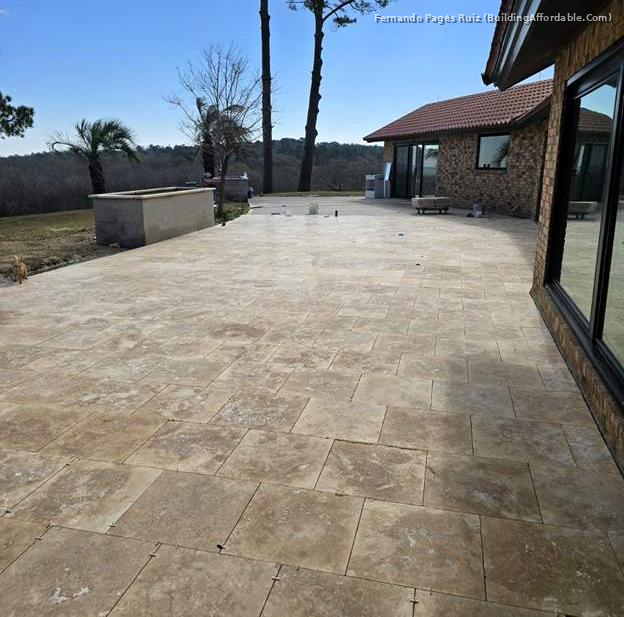
Instead of leaving the work unorganized, the project is divided into clear stages. Each phase completes an important part of the building and prepares it for the next stage.
At our residential renovation project in San Jacinto County, I led the work through this same process. We did not try to complete every part of the property at the same time. We followed a planned sequence based on what the buildings needed first.
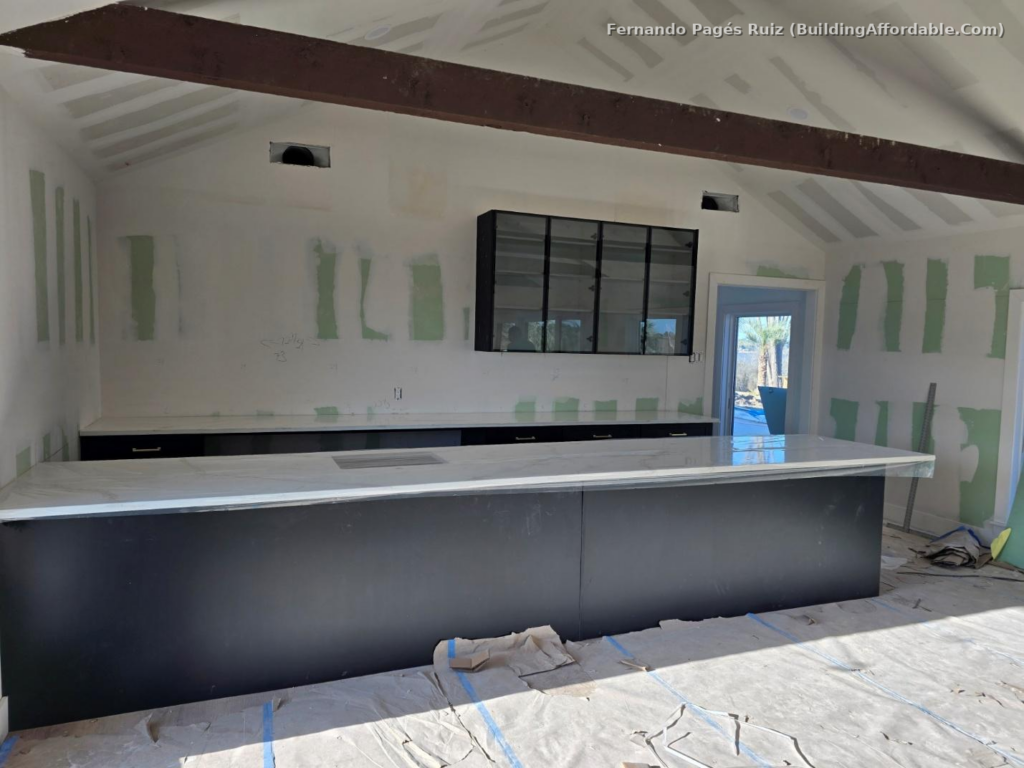
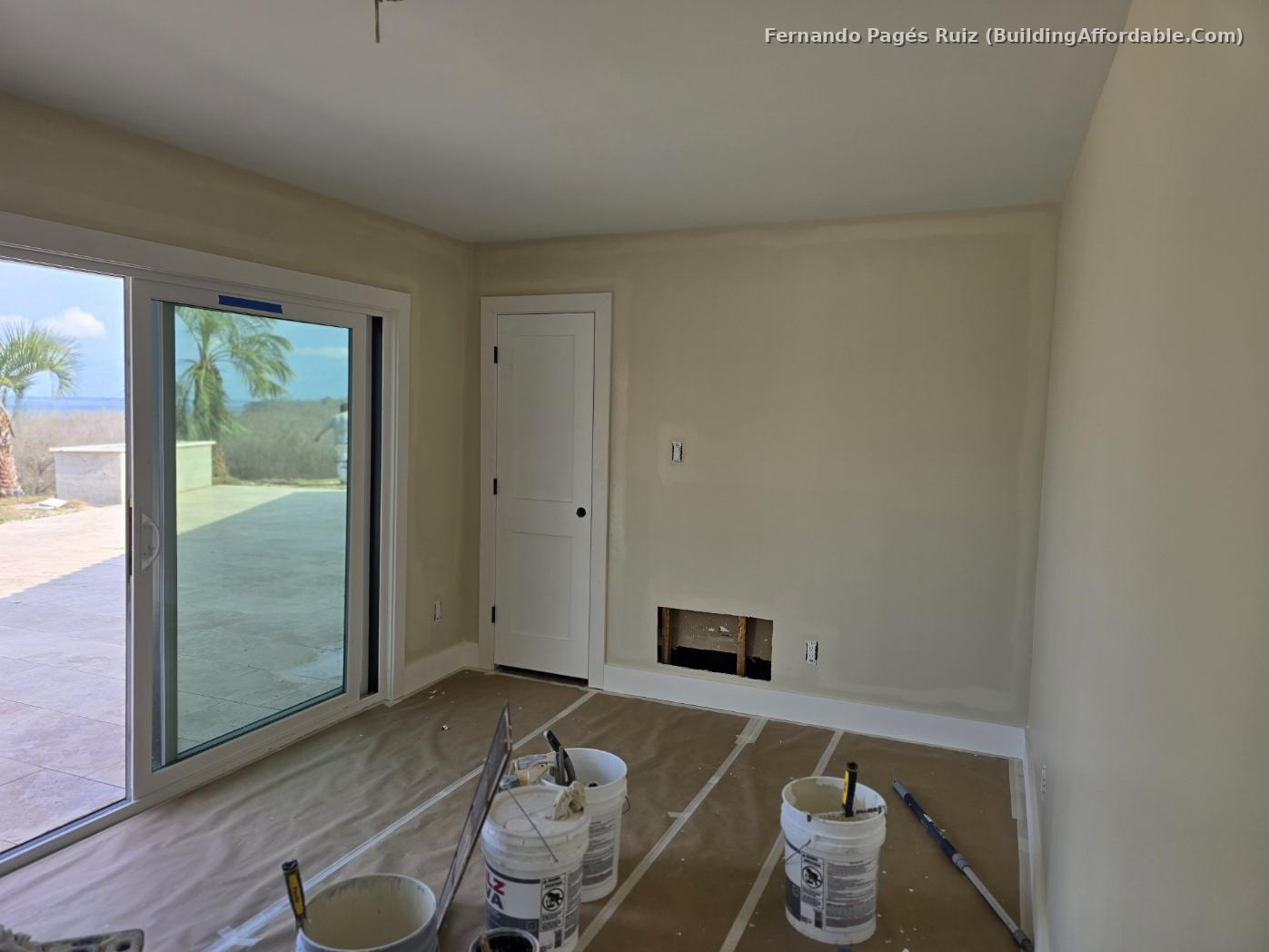
This was not a project we simply observed. It was a project we planned and carried out ourselves. I led the project in San Jacinto and guided the work from the structural improvements into the mechanical installations, interior framing, stairway construction, cabinetry, flooring, and final finishes.
Starting With the Existing Structures
Before beginning the interior work, we first evaluated the existing residential structures. Some areas needed improvement, but parts of the original framing and foundations could still be used.
Instead of replacing everything, we worked with what remained in good condition. This allowed us to focus the construction on the areas that required the most attention.
Structural work had to come first. The buildings needed to be stable and ready before we could begin adding the interior components. Once that stage was complete, we could continue with the next part of the project.
Moving Into the Interior Work
The interior construction followed the progress of the exterior and structural work. Part of the schedule depended on the arrival and installation of the windows.
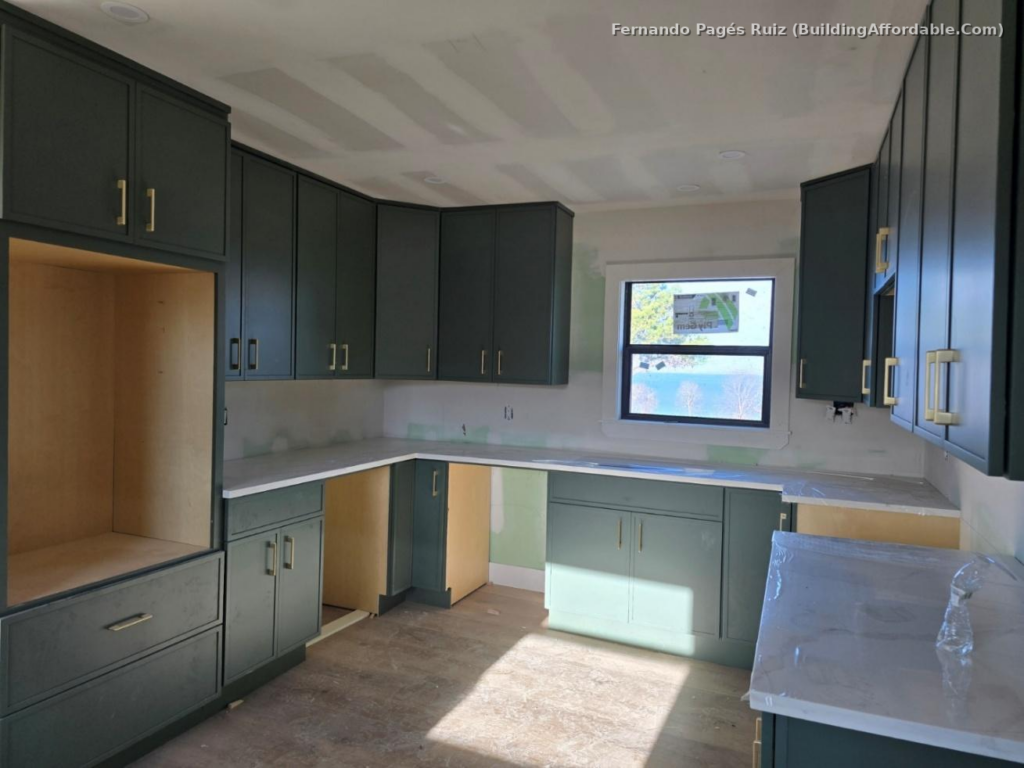
Once the windows were installed, the buildings could move into the interior framing, stairway, flooring, cabinetry, and finishing stages. These parts of the work were connected, so completing them in the correct order helped the project continue without rushing.
The project also did not require drywall, interior painting, or wet trades. Because of this, the later interior stages could move faster once the buildings were enclosed and ready.
This shows why phased construction is more than simply delaying part of a project. It is about understanding which work must happen first and which work can follow later.
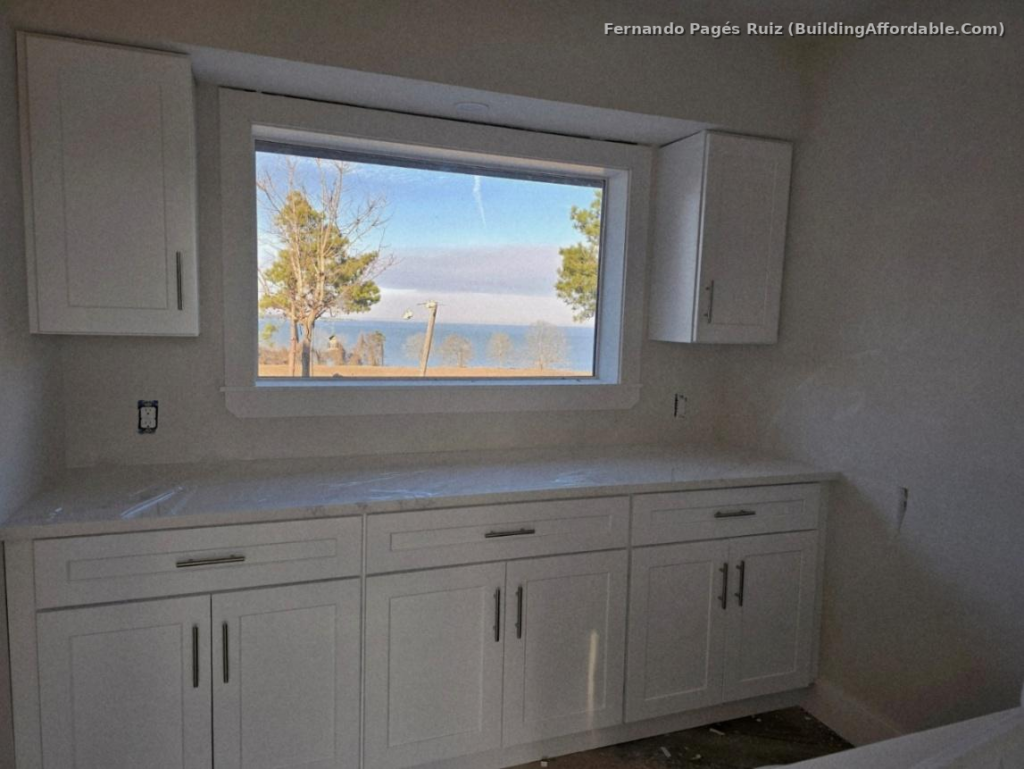
Managing the Project in Clear Stages
For the San Jacinto project, each stage had a clear purpose.
The first stage focused on evaluating and improving the existing structures. The next stage prepared the buildings for mechanical and interior construction. After that, we could continue with the framing, stairways, cabinetry, floors, and finishes.
This approach allowed us to manage the work without treating every unfinished area as a problem. We understood that each space would be completed according to the overall construction plan.
Phased interior construction can also allow completed areas to become usable while work continues in other parts of the property. Instead of waiting for every room or building to be finished, the owner can begin using the areas that are already complete.
Maintaining Progress Over Time
A phased project may take longer to reach full completion, but it can maintain steady progress. The work does not have to stop simply because every interior space cannot be finished at the same time.
The most important areas can move forward first. Other rooms, buildings, or finishes can follow when the project is ready for them.
However, all phases should remain connected to the same final goal. The decisions made during the structural stage must support the mechanical work. The mechanical work must support the interior layout. The interior layout must then support the cabinetry, flooring, and final finishes.
That connection between each stage is what keeps phased construction organized.
What We Learned in San Jacinto
Our work in San Jacinto showed that a residential project does not need to be rushed to make meaningful progress. Completing the work in stages allowed us to focus on what each building needed at that time.
As the person who led the project, I saw how important it was to keep the entire plan in view while managing the work one phase at a time. Every completed stage brought the property closer to its final use.
Phased interior construction does not mean leaving a project incomplete. It means completing the project through an organized process.
For long-term residential developments, this approach provides flexibility while maintaining steady progress. It allows the work to continue according to the needs of the property without losing sight of the finished result.
Also read: Low-Cost Road Crossings Using Culvert Systems
Subscribe to our YouTube channel.